
Beyond Aesthetics: The New Standard for Performance-Led Architecture
9th March 2026
Architecture has always been judged first by how it looks. The play of light across glazing. The sharpness of a steel profile. The quiet precision of a concealed door set flush into a wall.
But in 2026, appearance alone is no longer enough. Today’s buildings are expected to perform – demonstrably, consistently and safely – long after the ribbon is cut. Compliance must be evidenced. Maintenance must be planned, systems must integrate, and performance must endure. This is where architecture moves beyond aesthetics.
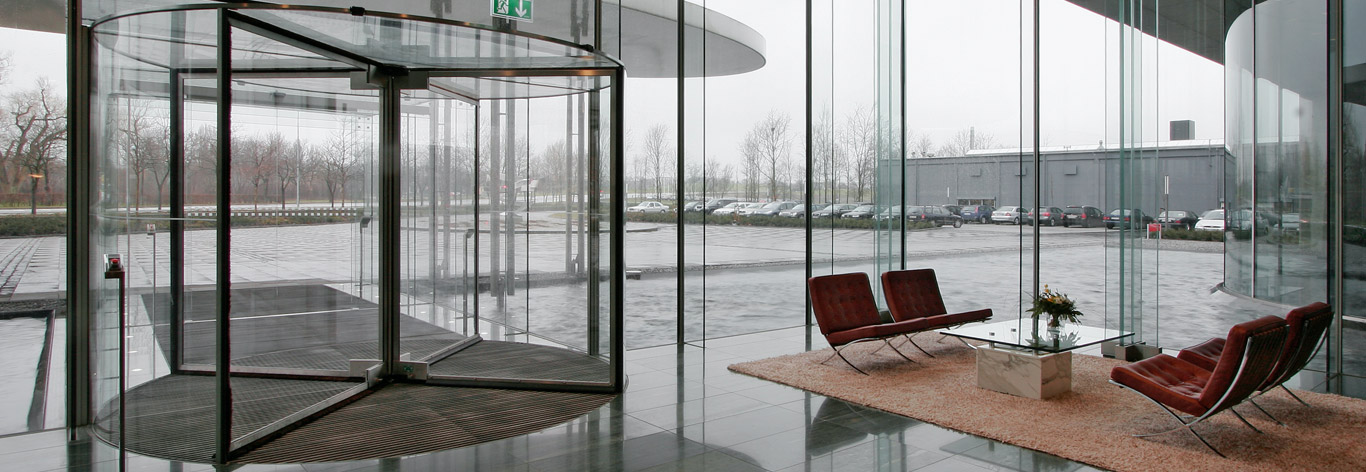
When Design Meets Responsibility
In the past, performance might have meant thermal values, acoustic ratings or structural strength. Those still matter. But the definition has widened. Now it includes:
- Fire door inspection regimes that can withstand scrutiny
- Automatic entrances serviced in line with EN 16005
- Emergency hardware specified correctly under EN 179 and EN 1125
- Documented maintenance programmes
- Evidence of competent inspection
- Clear, traceable compliance records
These are no longer afterthoughts. They are built into client expectations from day one. For architects, this means thinking not just about form, but about how every component behaves over time, for contractors, it means coordination across packages so nothing is left ambiguous at handover, and for facilities teams, it means inheriting systems that are understandable, maintainable and properly documented. Design intent now carries operational consequences.
The Reality of Live Buildings
Walk into a hospital and you will see it immediately. Doors that never stop moving. Corridors under constant use. Access control systems managing multiple user groups. Fire doors that must close correctly every time.
In education, the pace is different but the pressure is similar. High traffic, repeated impact, constant wear. A closer that drifts out of tolerance or a hinge that loosens under strain can quietly create compliance gaps. In hospitality, expectations are layered. The entrance must feel seamless. Mobile access must work first time. Back-of-house systems must remain secure. And everything must operate without visible friction. In commercial offices, flexibility is key. Glazed partitions, access systems, automation and hardware must adapt as layouts evolve.
What all these environments share is one truth: performance is not static. Buildings change. Usage intensifies. Layouts shift. Standards tighten. And the original design must be able to absorb that reality.
Performance Is Now Systemic
A door is no longer just a door. It sits within:
- A fire strategy
- An access control framework
- An acoustic design
- An energy efficiency model
- A service and maintenance schedule
Glazing choices affect thermal behaviour and ongoing upkeep. Ironmongery selection influences compliance and durability. Automatic entrances intersect with safety standards and user flow. Partition systems affect acoustics and future reconfiguration.
Nothing exists in isolation. This is where coordinated thinking becomes essential. When packages are treated separately, gaps emerge. When systems are considered together, performance becomes predictable.
Lifecycle Thinking Is No Longer Optional
One of the most significant shifts in recent years is the move toward lifecycle accountability. Clients are asking different questions:
Who is inspecting this?
How often?
What happens if usage changes?
Where are the records kept?
Can this be serviced easily?
How long will it last under real conditions?
In healthcare and education particularly, scrutiny has intensified. Documentation matters. Inspection logs matter. Competence matters. It is not enough for a system to have been compliant at installation. It must remain compliant – and that must be demonstrable. That shift has changed how forward-thinking teams approach specification. Materials, hardware, automation and glazing are selected not only for how they look or perform initially, but for how they will behave five or ten years from now.
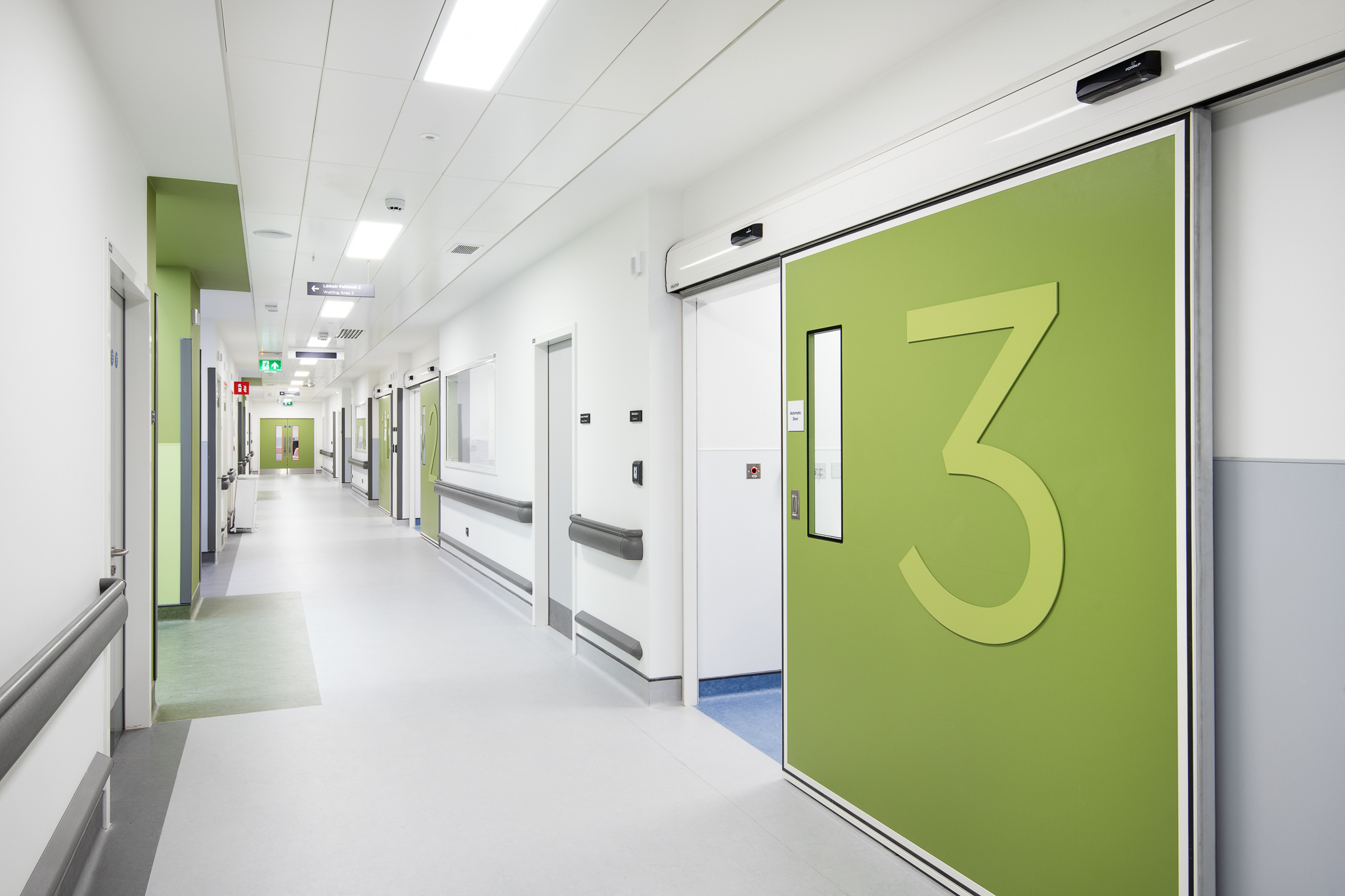
Beauty Still Matters
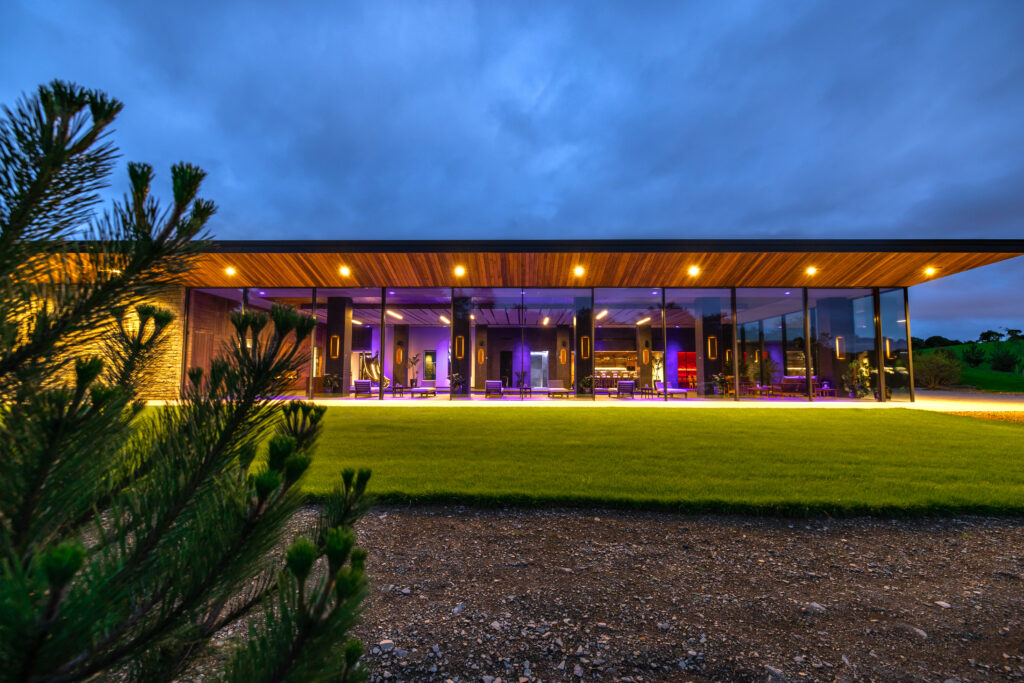
None of this diminishes architectural ambition – light-filled atriums framed in slim-profile steel, concealed riser doors that preserve visual clarity, seamless sliding entrances that disappear into the façade, and Hardware detailed so precisely it becomes invisible – are still the elements that elevate a project.
However, the most successful buildings now achieve something more subtle – they feel effortless because the complexity behind them has been carefully coordinated, remain safe because inspection and servicing were anticipated, and continue to function because lifecycle planning was embedded early. Beauty, compliance and longevity are no longer competing priorities – they are intertwined outcomes.
The Role of Integrated Partnership
As projects grow more complex, so does the need for integration. Design teams increasingly value partners who understand how glazing interacts with structure, how doors integrate with fire strategy, how automation aligns with safety standards, and how service planning connects to compliance.
This is not about adding more layers. It is about reducing friction. Buildings perform better when specification, technical documentation, installation and long-term service are aligned – handover becomes clearer, maintenance becomes more predictable, risk becomes easier to manage, and design intent remains intact.
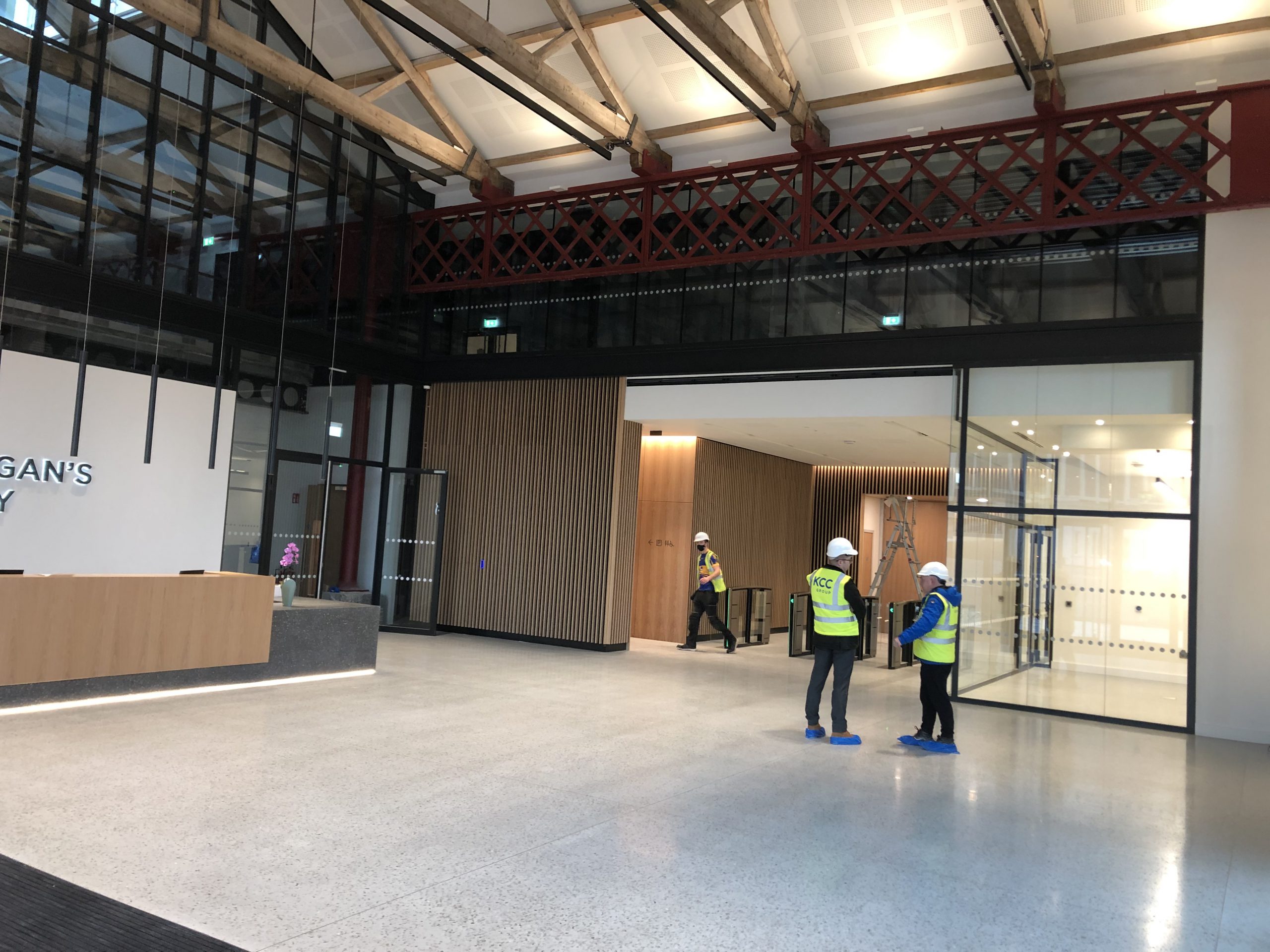
The New Standard
Performance-led architecture does not mean sacrificing creativity. It means recognising that creativity now carries greater responsibility. In 2026 and beyond, the most resilient projects will be those that:
Look exceptional at completion.
Operate safely in daily use.
Adapt as needs evolve.
Withstand regulatory scrutiny.
Remain maintainable and documented.
Architecture has always shaped how we experience space. Now it must also stand up to how we manage it too. Beyond aesthetics lies a more mature form of performance, one where beauty is supported by structure, compliance, coordination and care.
That is the new standard.
Middle East
Laidlaw Gulf are the exclusive distributor of KCC Group hardware in the Middle East
+971 04 885 7404
[email protected]
Specialists in
high performance
doorsets